




Salmon Oil for Dogs: Why Extra Virgin Oil Matters
The Power of Salmon Oil for Your Dog's Health
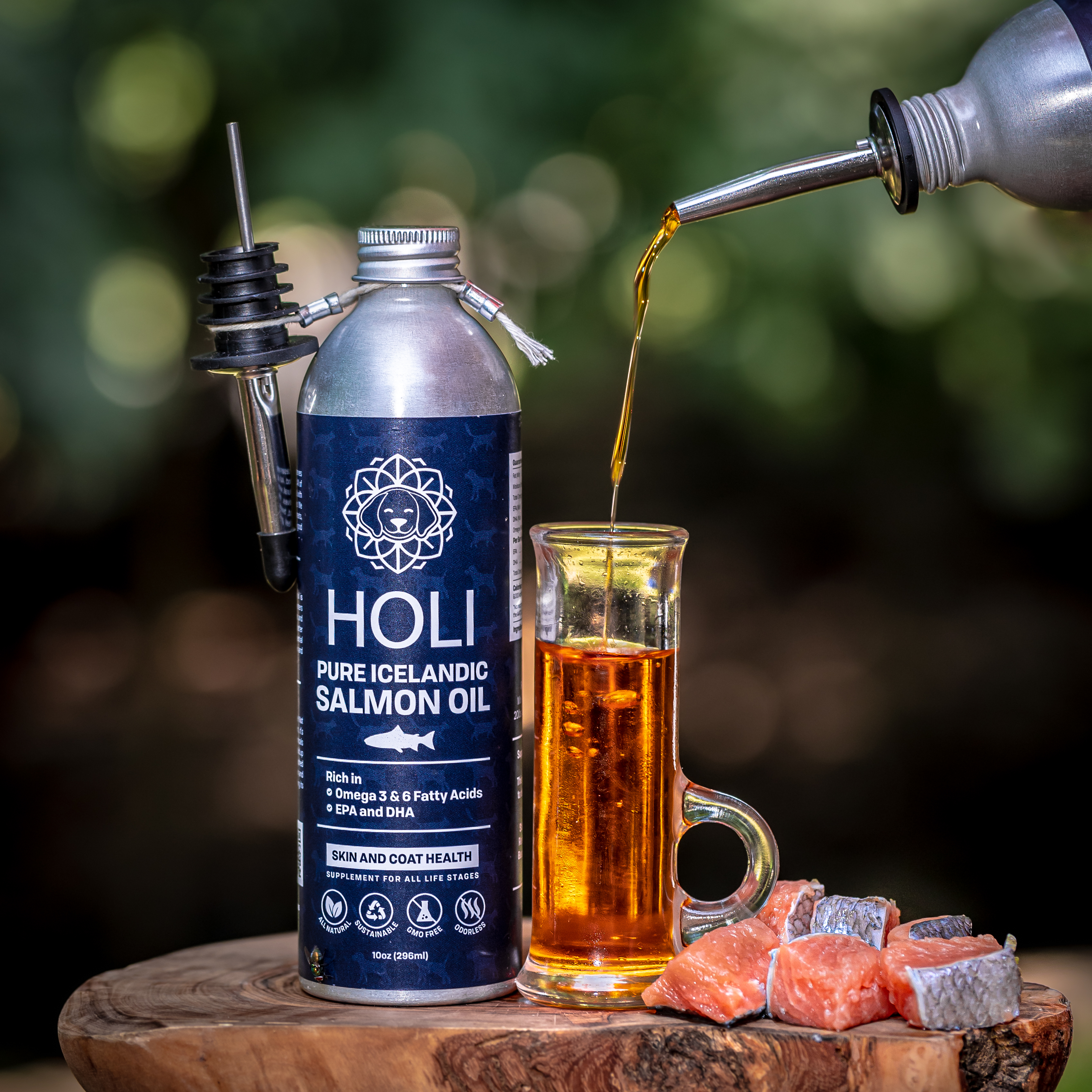
Salmon oil has become one of the most popular supplements for dogs, and for good reason. Rich in omega-3 fatty acids EPA and DHA, this powerful supplement supports everything from skin and coat health to cognitive function and joint mobility. But not all salmon oils are created equal—the processing method makes a critical difference in quality, purity, and nutritional value.
Key Benefits of Salmon Oil for Dogs
1. Skin and Coat Health
Omega-3 fatty acids in salmon oil help reduce inflammation and support skin barrier function, leading to a lustrous coat and relief from dry, itchy skin. Many pet parents notice visible improvements in coat shine and texture within weeks of supplementation.
2. Joint Support and Mobility
The anti-inflammatory properties of EPA and DHA can help reduce joint inflammation and stiffness, making salmon oil particularly beneficial for senior dogs, large breeds prone to joint issues, or active dogs who need extra support.
3. Cognitive Function
DHA is crucial for brain health and cognitive function. Salmon oil supplementation may help support mental sharpness in aging dogs and aid in cognitive development for puppies.
4. Heart Health
Omega-3 fatty acids support cardiovascular health by promoting healthy blood pressure, reducing inflammation, and supporting overall heart function.
5. Immune System Support
The anti-inflammatory properties of omega-3s help modulate immune response, potentially reducing the risk of chronic inflammatory conditions.
Why Extra Virgin Salmon Oil Matters
The term "extra virgin" isn't just marketing—it indicates a superior quality oil that has undergone minimal processing and maintains its natural nutritional profile.
What Makes Oil "Extra Virgin"?
Extra virgin salmon oil is extracted using gentle, cold-press methods that preserve the oil's natural nutrients, antioxidants, and beneficial compounds. This first pressing produces the highest quality oil with the most potent nutritional benefits and the cleanest flavor profile.
Benefits of Extra Virgin Processing:
- Maximum nutrient retention: Gentle extraction preserves omega-3 fatty acids, vitamins, and natural antioxidants
- No chemical solvents: Cold-pressing doesn't require harsh chemicals that can leave residues
- Natural antioxidants intact: Astaxanthin and other protective compounds remain in the oil
- Superior freshness: Minimal processing means less oxidation and rancidity
The Problem with Bleaching
Many commercial fish oils undergo bleaching to remove color, odor, and impurities. While this creates a more uniform, shelf-stable product, it comes at a significant cost to nutritional quality.
Why Bleaching is Problematic:
Destroys beneficial compounds: Bleaching removes natural antioxidants like astaxanthin, which give salmon oil its characteristic color and provide powerful antioxidant protection. These compounds help prevent the oil from oxidizing and going rancid.
Chemical exposure: The bleaching process often uses harsh chemicals and high heat, which can create harmful byproducts and leave chemical residues in the final product.
Masks poor quality: Bleaching can hide signs of oxidation or rancidity in lower-quality oils, making it impossible to assess true freshness.
Reduces bioavailability: Processing can alter the molecular structure of omega-3s, potentially reducing their absorption and effectiveness.
Understanding Winterization and Why to Avoid It
Winterization is a process that removes naturally occurring saturated fats and waxes from fish oil by cooling it to very low temperatures. While this creates a clear, liquid oil that remains fluid when refrigerated, it strips away beneficial components.
Why Non-Winterized Oil is Superior:
Preserves the whole food matrix: Non-winterized oil retains all the naturally occurring fats, waxes, and lipids that work synergistically with omega-3s. These compounds aid in absorption and provide additional nutritional benefits.
Natural satiety compounds: The saturated fats and waxes removed during winterization can actually help with nutrient absorption and provide a feeling of fullness.
Complete nutritional profile: Whole, unprocessed oil contains the full spectrum of beneficial compounds found in wild salmon, including fat-soluble vitamins and co-factors that enhance omega-3 utilization.
Better stability: Ironically, some of the compounds removed during winterization actually help protect the oil from oxidation, meaning non-winterized oil can be more stable when properly stored.
What to Look for in Quality Salmon Oil
When choosing salmon oil for your dog, prioritize these quality indicators:
- Extra virgin or cold-pressed: Ensures minimal processing and maximum nutrient retention
- Non-bleached: Preserves natural antioxidants and indicates higher quality sourcing
- Non-winterized: Maintains the complete nutritional profile
- Wild-caught source: Wild salmon typically have higher omega-3 content and fewer contaminants than farmed
- Third-party tested: Look for testing for heavy metals, PCBs, and other contaminants
- Proper packaging: Dark glass bottles or opaque containers protect oil from light-induced oxidation
- Freshness indicators: Check for harvest dates and use-by dates; fresher is always better
How to Use Salmon Oil
Dosage Guidelines
General recommendations based on dog size:
- Small dogs (under 20 lbs): 1/4 to 1/2 teaspoon daily
- Medium dogs (20-50 lbs): 1/2 to 1 teaspoon daily
- Large dogs (over 50 lbs): 1 to 2 teaspoons daily
Always start with a smaller dose and gradually increase to allow your dog's digestive system to adjust. Consult your veterinarian for personalized recommendations, especially if your dog has existing health conditions or takes medications.
Application Tips
- Mix into food at mealtime for easy administration
- Store in the refrigerator after opening to maintain freshness
- Use within the recommended timeframe (typically 90 days after opening)
- Look for a mild, fresh ocean scent—rancid oil will smell fishy or off
Signs Your Dog May Benefit from Salmon Oil
Consider adding salmon oil if your dog experiences:
- Dry, flaky, or itchy skin
- Dull or brittle coat
- Joint stiffness or mobility issues
- Seasonal allergies or skin sensitivities
- Cognitive changes in senior dogs
- Inflammatory conditions
The HOLI Commitment to Quality
At HOLI, we believe in providing only the highest quality nutrition for your pets. When it comes to supplements like salmon oil, we prioritize purity, minimal processing, and maximum nutritional value. By choosing extra virgin, non-bleached, non-winterized salmon oil, you're giving your dog the full spectrum of benefits that nature intended—without the compromises that come with over-processing.
Your dog deserves nutrition that honors the integrity of whole, natural ingredients. That's the HOLI difference.